
Introduction
Derived from plants, natural sweeteners are increasingly favored over artificial alternatives due to their perceived health benefits. Market demand is strong for ingredients sourced naturally that offer low or zero calories. Examples include stevia, monk fruit, and erythritol.
Market analysis indicates the global natural sweetener market was valued at $28 billion in 2024, with a projected compound annual growth rate of 12%.
The main natural sweeteners include Stevia extract, Monk Fruit extract, and Erythritol.

Selecting the optimal natural sweetener for your specific product, however, presents a critical formulation challenge. Key factors to evaluate include:
Factors to Consider:
-
- Regulatory Compliance:
- This is paramount. Natural sweeteners face varying regulatory approval statuses across different regions. Crucially, understand the specific regulations governing your target markets.
- Example: The EU Restriction: A critical case is Monk Fruit Extract (high-purity mogrosides). In the European Union, high-purity monk fruit extract (>~50% mogrosides) is classified as a food additive (sweetener) and is currently NOT approved for use in foods or beverages. Only specific Monk Fruit Concentrates/Juices (processed differently, retaining more of the fruit matrix and not selectively concentrating mogrosides to high purity) have gained approval in certain EU countries like the UK and Ireland as a traditional food ingredient, not an additive. Always verify the latest regulatory status for your intended markets.
- Conversely, Stevia (including high-purity Reb M) has broad global approval, including in the EU, US, and many other regions. Ensure the specific steviol glycoside (e.g., Reb A, Reb M) and purity level used are compliant.
- Flavor Profile & Taste Experience :
- This directly impacts consumer acceptance. Go beyond just sweetness intensity and assess the overall sensory experience.
- Key Aspects:
- Sweetness Onset & Duration: How quickly is the sweetness perceived? How long does it linger?
- Off-Tastes & Aftertastes: Does it have bitterness, metallic notes, licorice flavor, or astringency? How pronounced and persistent are these?
- Mouthfeel: Does it provide body similar to sugar, or is it perceived as thin or watery?
- Sucrose Similarity: How closely does it mimic the taste profile of sugar, which is the gold standard for many consumers?
- Examples:
- Monk Fruit Extract: Generally praised for its clean, sweet taste with minimal undesirable aftertaste, often considered closer to sucrose than many other high-intensity sweeteners.
- Traditional Stevia (e.g., Reb A dominant): Can exhibit noticeable bitterness and/or a licorice-like aftertaste, which can be off-putting in some applications.
- High-Purity Stevia (e.g., Reb M 95%): Represents a significant advancement. Reb M 95% is specifically known for delivering a cleaner, more sugar-like taste profile with markedly reduced bitterness and aftertaste compared to traditional stevia extracts. This makes it highly desirable for premium products.
- Health Impact: Assess benefits like low/zero calories and low Glycemic Index (GI), as well as any potential consumer concerns.
- Cost Efficiency
- Functional Properties & Limitations: Performance under processing conditions is crucial. Stevia exhibits excellent heat stability, maintaining sweetness during demanding processes like HTST (High Temperature Short Time) and UHT (Ultra High Temperature) commonly used in beverages (juices, iced tea, milk). Monk fruit extract is also known for its stability. Consider solubility, pH stability, and potential interactions with other ingredients.
Evaluating sweetener cost is crucial. The key metric is cost per equivalent sucrose sweetness, calculated as:
Price per kg ÷ Relative Sweetness (vs. Sucrose) = Equivalent Cost per kg (Sucrose Basis)
The table below lists 2024 reference pricing and calculations:
Sweetener
Price per kg
Relative Sweetness (X)
Equivalent Sucrose Cost per kg
Reb M 95%
$150/kg
×300
$0.50/kg
Luohanguo extract
$290/kg
×200
$1.45/kg
Erythritol
$1.8/kg
×0.7
$2.57/kg
Surcose(Baseline)
$0.5/kg
×1
$0.50/kg
Here’s a focused comparison of stevia extract (e.g., Reb M) and monk fruit extract:
Property
Stevia Extract (High-Purity Reb M)
Monk Fruit Extract
Heat Stability
Excellent stability in HTST (140°C/10s) and UHT (138°C/15s) processes. Maintains >95% sweetness integrity at ≤140°C.
High stability: Tolerates temperatures up to 150°C for short durations. Suitable for pasteurization and baking.
pH Stability
Stable across pH 2–8 (optimal for acidic beverages like juices/iced tea). May hydrolyze slowly in alkaline conditions (pH >9).
Wider stability range: pH 2–10 (superior for dairy/UHT milk). Minimal degradation in acidic/alkaline environments.
Solubility
Moderate solubility; may require blending with soluble carriers (e.g., erythritol) for clear beverages.
High water solubility (>98% at 25°C), ideal for ready-to-drink (RTD) formulations.
Ingredient Interactions
May bind to polyphenols/proteins in plant-based drinks, causing slight haze.
- Low interaction risk; compatible with proteins (e.g., dairy, soy).
- Regulatory Compliance:
Popular Natural Sweeteners: A Closer Look
- Monk Fruit Extract (Luo Han Guo):
- Celebrated for its zero-calorie content and negligible glycemic index (GI).
- Offers a clean, sweet taste profile, often described as having minimal undesirable aftertaste compared to some other high-intensity sweeteners.
- Approximately 150-200 times sweeter than sucrose.
- Widely used across beverages, bakery products, confectionery, and cosmetics due to its versatility and stability.
- Stevia Leaf Extract:
- A zero-calorie sweetener known for its exceptional stability under heat and across a wide pH range.
- Generally 200-300 times sweeter than sugar.
- Crucially, the sensory profile of stevia can vary greatly depending on the specific glycoside composition. Traditional stevia extracts rich in Rebaudioside A (Reb A) can exhibit noticeable bitterness or licorice-like aftertastes, which has limited their appeal in some applications.
- Key Improvement: High-purity Rebaudioside M (Reb M), particularly at concentrations like 95%, represents a significant advancement. Reb M 95% is specifically valued for delivering a much cleaner, more sugar-like taste profile with markedly reduced bitterness and aftertaste compared to Reb A-dominant extracts. This makes high-purity Reb M a preferred choice for applications demanding a superior sensory experience.
- Extensively used in beverages (leveraging its heat stability), bakery goods, dairy products, and tabletop sweeteners.
Conclusion
Selecting the optimal natural sweetener requires balancing core requirements: achieving the desired taste profile (sweetness, mouthfeel, absence of off-notes), meeting health objectives (calorie, GI), ensuring functionality within the product process, and considering cost-in-use. Understanding the distinct characteristics of leading options like monk fruit extract and stevia (especially high-purity Reb M variants) is fundamental to making an informed choice tailored to your specific product needs.
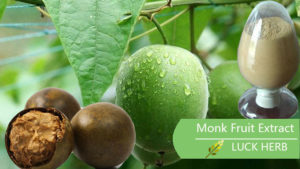
Bulk Natural Mogrosides Sweetener Supplier
Wholesale Natural Sweetener Monk Fruit Extract Powder Organic No additives Request Free Sample Get Full COA & TDS Get a

Natural Sweetener Stevia Extract Stevioside Powder
Wholesale Stevia leaf Stevioside Sweetener RA 99%, Reb-M 95% Purity Request Free Sample Get Full COA & TDS Get a